

I’ve been studying WtE (Waste to Energy) plants in Europe, especially their impact on the environment. The mention of the topic can really divide people into differing camps. I would like to put some lights on this matter and explore the positive strides and the benefits to the environment and businesses.
First, some numbers!
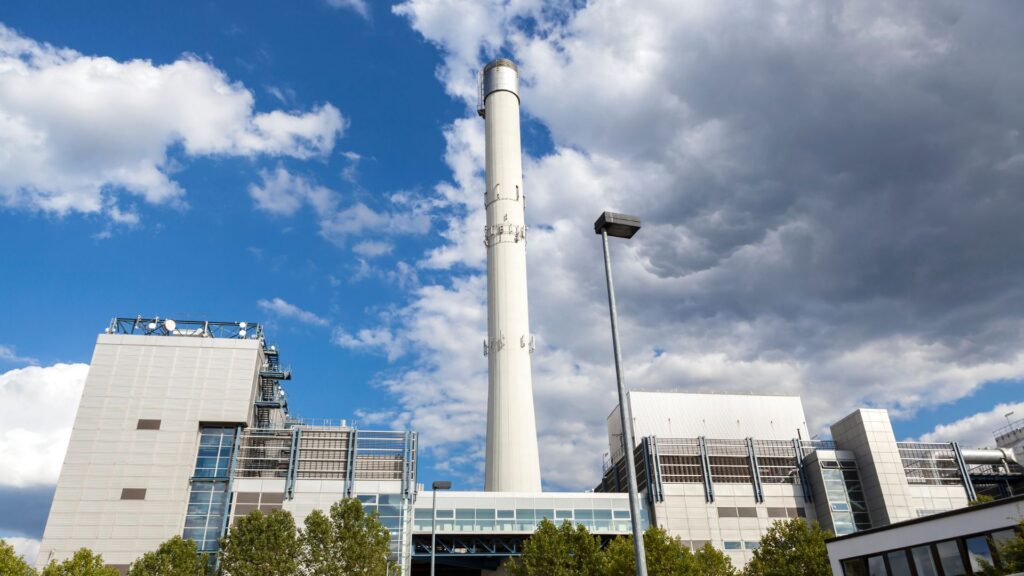
Europe’s got 500 waste incineration plants, burning through 100 million tonnes of raw material. Now, the UK? Tolvik Consulting says we had around 57 plants in 2021. Not bad, right? But here’s the twist – when we look into capacities, especially for hazardous waste, the numbers aren’t great.
Why?
The journey starts with emission requirements setting a high bar for WtE plants, resulting in lower pollutants. Cleaner operations showcase an unwavering commitment to environmental stewardship.
New Hazardous WtE plants’ challenges aren’t obstacles but opportunities for growth and a cleaner future. Regulations are stepping stones towards a sustainable waste management landscape.
If they’re built, maintained, and managed right, it’s a win. Sure, we’re on a small island, but WtE plants are safe, create jobs, and provide heating and affordable electricity for us. Beats shipping waste abroad. The catch? UK facilities aren’t yet in the energy-producing game, but we could be.
But I completely understand the reservations! Health worries, living too close – it’s a story. People want to be environmentally friendly but not live next to the plant. Communities may fear impacts on tourism and recreation. But, like Japan or South Korea, integration is possible. Early engagement, honesty, and education are key.
I really believe that the usual media focus on the negatives means this valuable resource is getting a bad rep. It comes from a place of not understanding and misinformation.
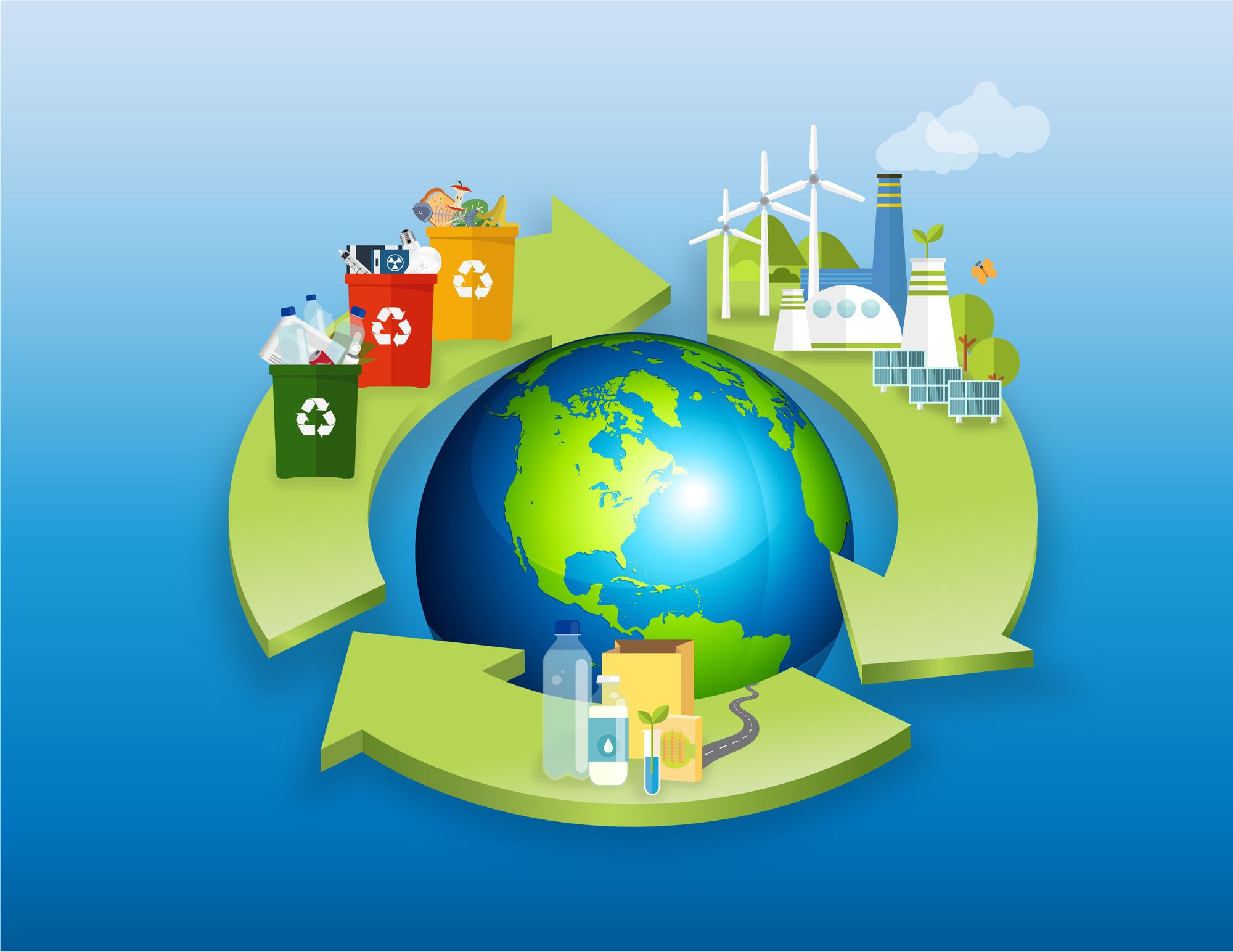
Navigating regulations like Environmental Permitting, Industrial Emissions Directive, and Health and Safety, the industry focuses on public safety and environmental protection.
The emergence of new Hazardous WtE plants in the UK should be met with enthusiasm and a steadfast commitment to stringent environmental standards and health and safety measures. Modern WtE facilities are innovative, with advanced filters, scrubbers, and catalytic converters shaping a greener future. Far more than mere compliance tools, these innovations form the building blocks of a greener, more sustainable future.
We’re all about sustainability, exclusively partnering with reputable WtE plants in Europe. Strict standards and monitoring are non-negotiable.
We’re not just shipping waste; we’re tracking it, loading into containers, and transforming it into energy or heat in mainland Europe. Eco-friendly shipping? Absolutely! Think liquefied natural gas, biofuels, or ammonia to cut Scope 3 emissions. Another factor we consider when choosing the right shipping line to transport the goods for the customers.
Celebrating this progress, we acknowledge that while WtE plants may have the potential to emit pollutants, their positive impact shines through. Meticulous maintenance and the integration of advanced technologies actively reduce overall pollution by diverting waste from landfills and transforming it into valuable renewable electricity.
Overall, WtE plants play a crucial role in waste management and energy sector, contributing to the UK’s efforts to achieve sustainability goals. Driving positive change through innovation, responsible practices, and community engagement.

PIOTR SOSIENKO
Axil TFS & Stock Manager since May 2023. Piotr has been leading the TFS department, overseeing operations from site and compliance management to facilitating communication with authorities across Europe.
Under Piotr guidance, Axil identifies alternative disposal routes for challenging wastes, particularly those originating outside the UK, ensuring efficient and compliant waste management practices.