

Key metrics
43 %
cut in disposal costs
32 %
lower transport costs
35 %
of waste recycled
Challenge
Our UK farm-to-fork food manufacturing customer, supplying major grocery retailers, generated 50 tonnes of laminated, protein-contaminated plastic waste per month, all of which was sent to energy recovery.
- High disposal costs
- Lost circular economy opportunities
- Misalignment with sustainability goals
The client needed a solution that would reduce costs while improving environmental performance.
Axil Approach
Redesigning the waste system
Axil didn’t change the outlet. We changed the system. By improving material quality at source, we made recycling viable where it previously wasn’t.

Engaged suppliers
to improve upstream material quality

Added an extra baler
Increased baling capacity to improve segregation and density

Introduced on-site washing
for protein-contaminated Dolav liners, making them recyclable
Optimised transport
Optimised transport to reduce unnecessary movements
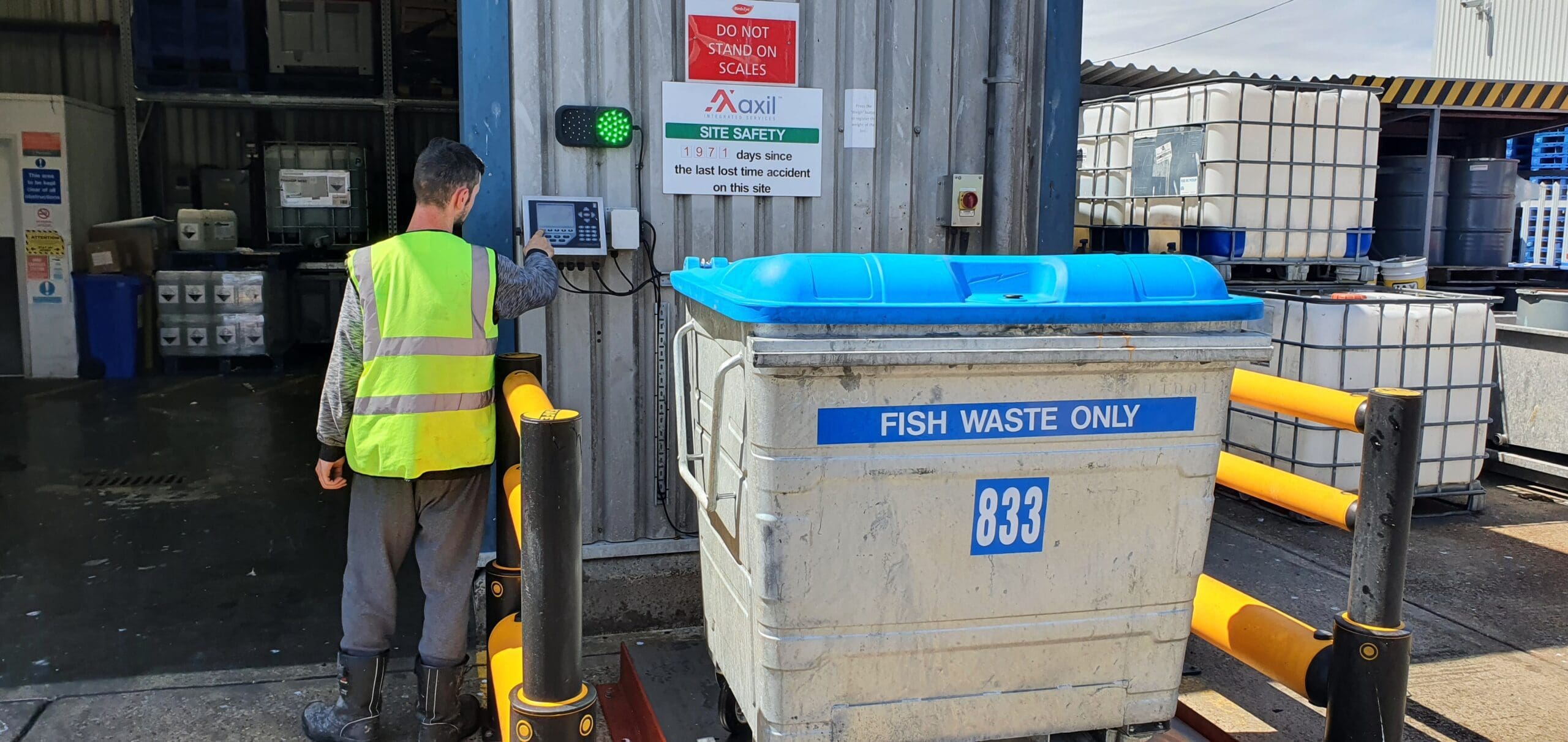
on-site segregation
Re-engineered on-site segregation processes
Outcome
Material once treated as waste became recyclable feedstock, enabling new circular routes. By redesigning the system, not just the supplier.
Axil turned a high-cost waste stream into a circular resource, delivering measurable commercial and environmental gains.
Benefits of total waste management
Commercial benefits
- 43% reduction in disposal costs per tonne
- 32% reduction in transport costs
- Reduced total cost of waste management
- Thousands saved annually

Environmental benefits
- 35% of waste diverted from energy recovery to recycling
- Increased recovery of difficult plastic streams
- Lower carbon impact through reduced transport
- Materials reprocessed into bottles and packaging films

FAQ’s


Food manufacturers and processors dealing with:
- Contaminated plastic packaging (e.g. protein or food residue)
- Laminated or complex plastics with limited recycling routes
- High energy recovery or landfill costs
- ESG targets requiring higher recycling and circular performance
- Inefficiencies in segregation, compaction, or material handling
Yes. When contamination is addressed at source through washing, segregation, and correct handling, recycling becomes viable.
Multiple material layers combined with food contamination reduce material quality and limit standard recycling options.
By improving segregation, increasing material quality, and reducing reliance on energy recovery.
Treating waste as a resource stream, not a disposal cost.
Other Case Studies
Our latest case studies show successful waste management in practice. Our unique, value-added, partnership approach delivers results – that’s why we’ve retained 98% of our customers.
- |



Get in touch to see how we can help your business


ARRANGE A WASTE REVIEW
To gain a clearer understanding of your waste operations, we will visit to carry out a detailed site audit.
Our waste management experts will understand your waste streams and the challenges you face— and develop a service proposal tailored to accommodate your needs.
We will explain how our innovative solutions can re-engineer your waste to reduce your costs and increase your recycling.